Materials and Tools
You will need the following tools to forge Damascus steel: Forge; Anvil and hammer; Tongs; Tempering oven; Drill or drill press; Vise; Welding tool Also, these materials are crucial: flux material (to promote melting), such as fine silica sand or ferric chloride; metal scrap; brass pins; rebar; quenching oil; finishing medium.
Assemble the Billets
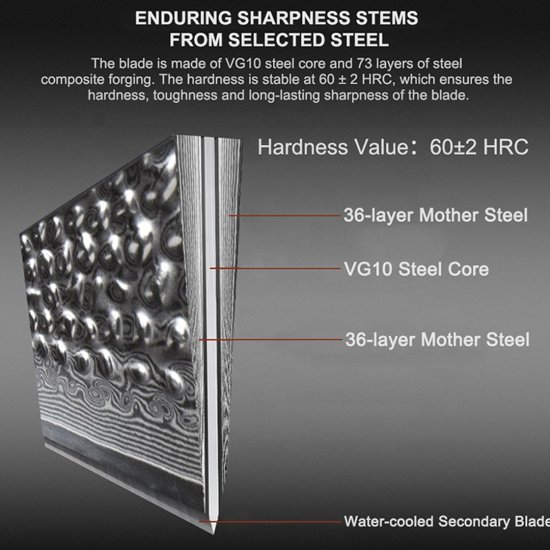
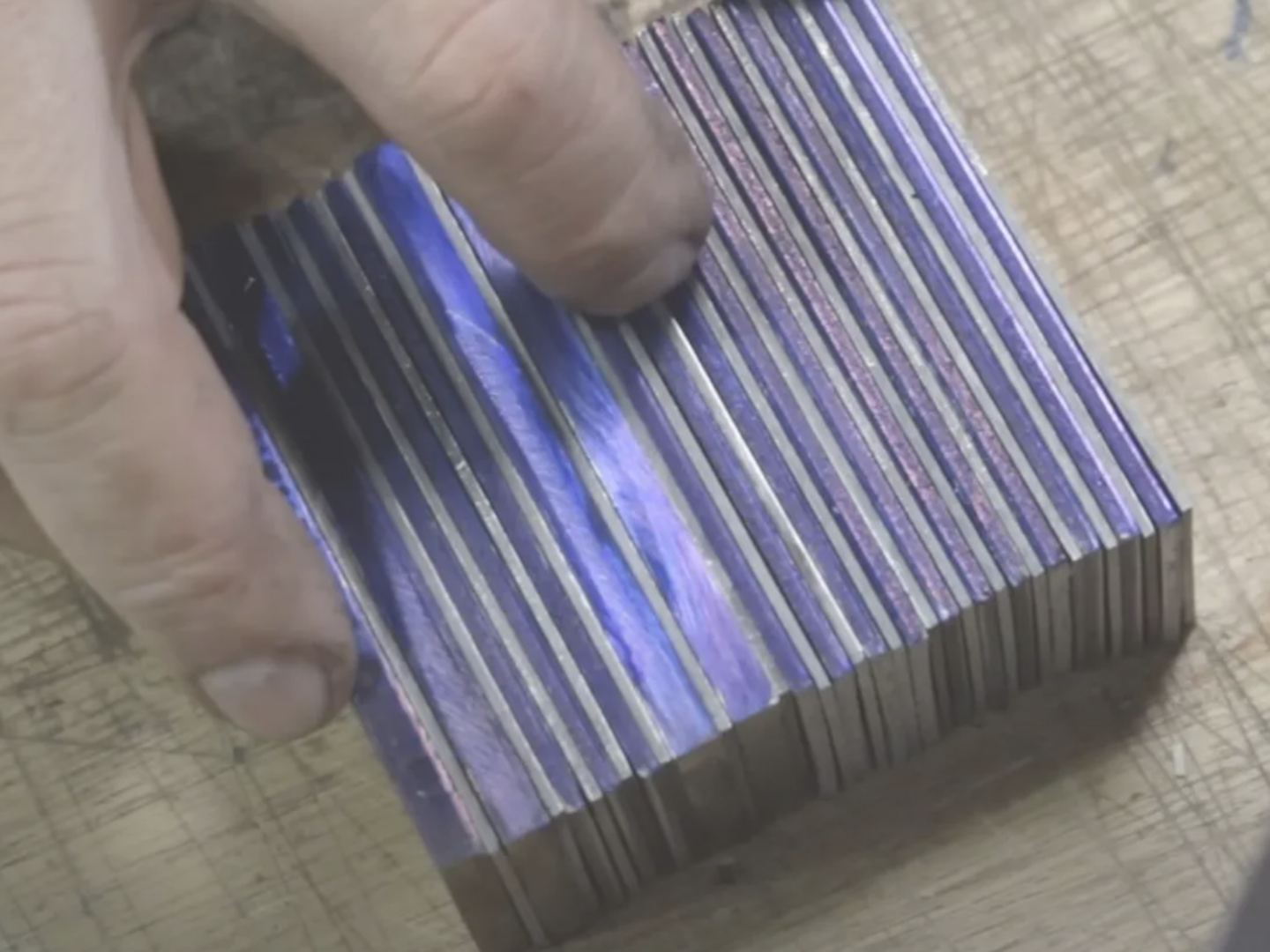
Assembling the billets is the first stage. Cut the steel plates into the right (identically sized) dimensions for your blade and stack them up, alternating low-carbon and high-carbon steel, with the thickest material on the top and bottom of the billet. After aligning all of the layers together and forming a billet, create a temporary handle you can use to move the material in and out of the forge.
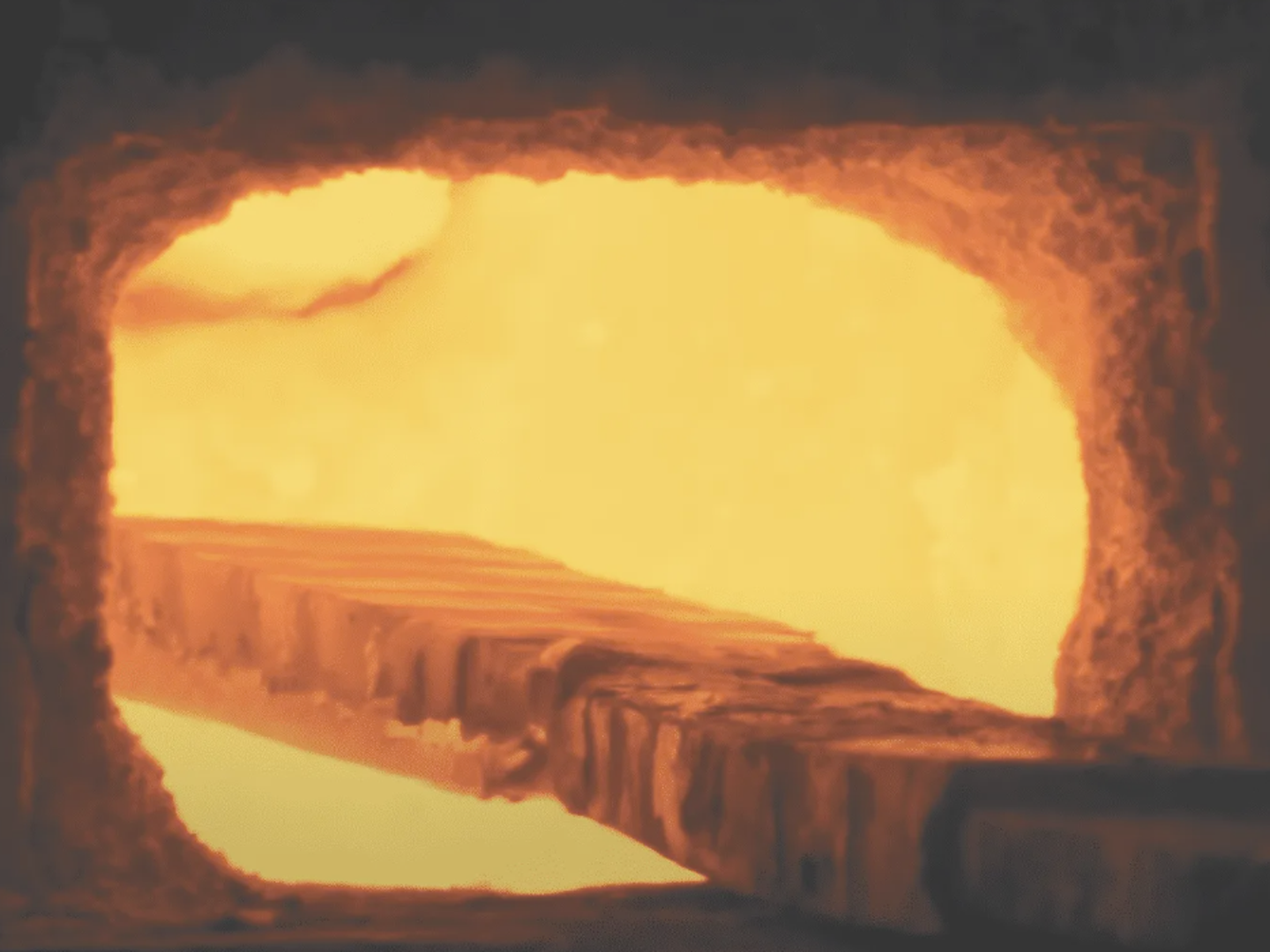
Forge welding
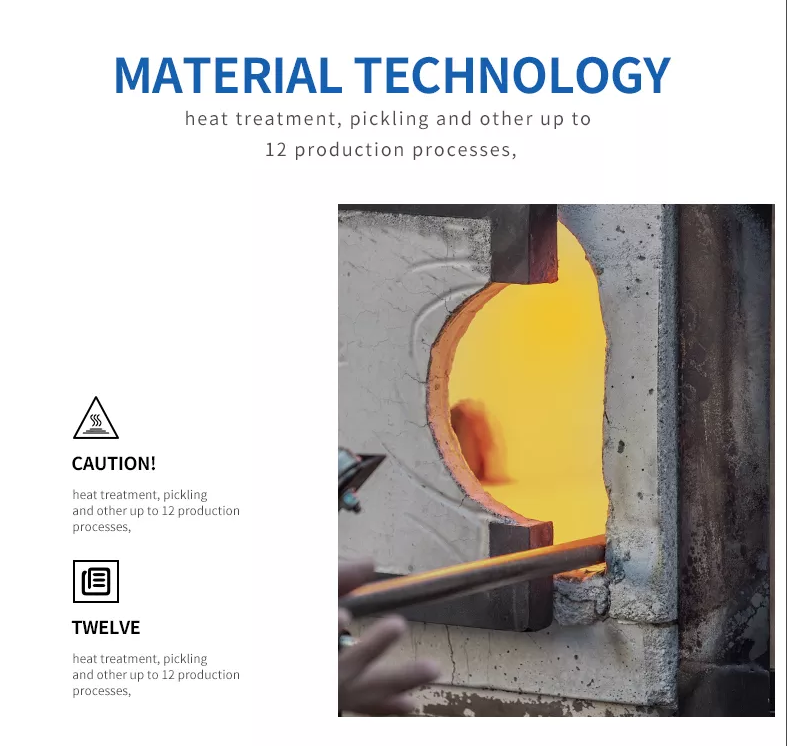
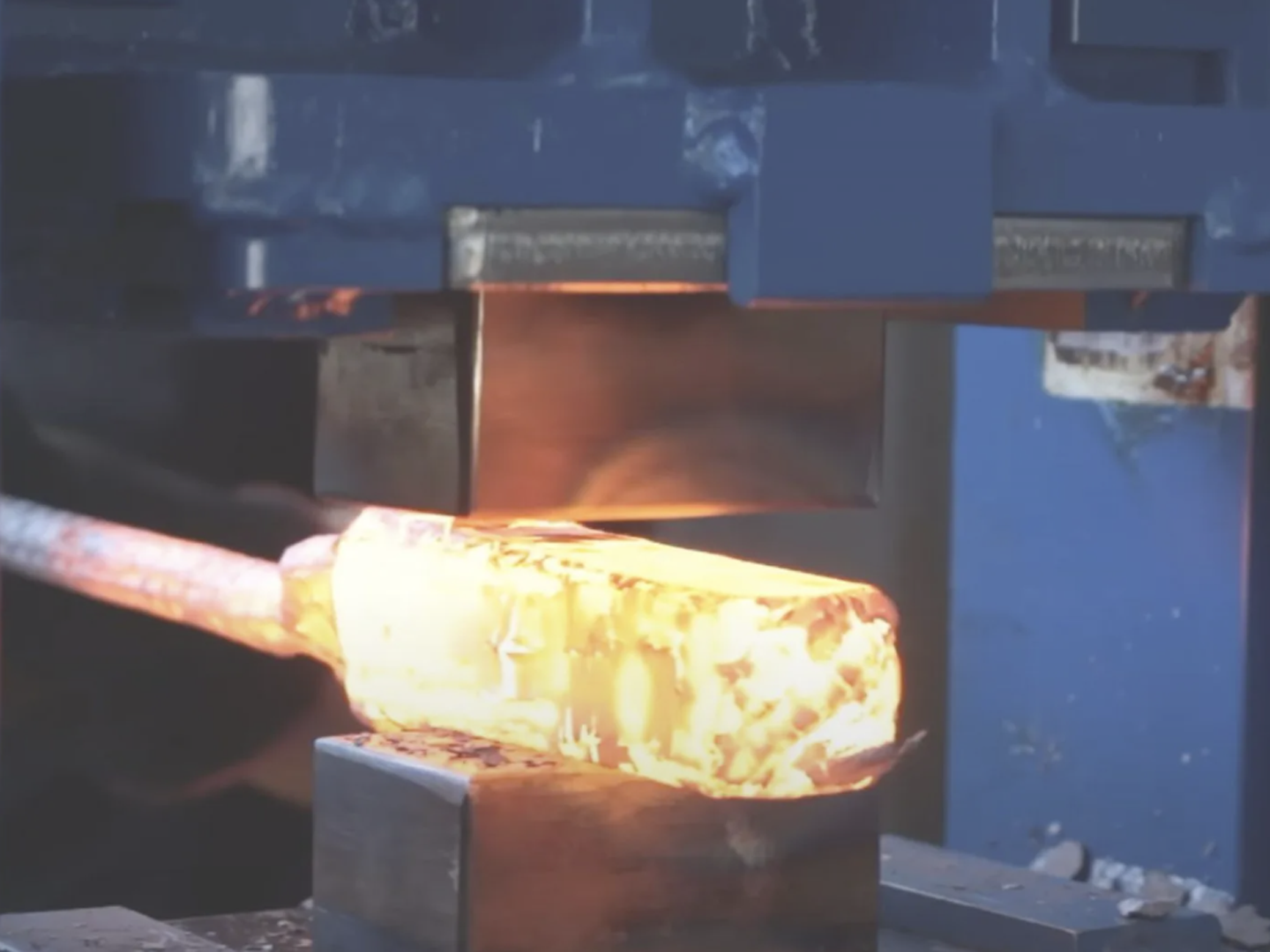
Your forge must be capable of reaching 2,300 degrees Fahrenheit. You may use ceramic fiber insulation or a castable refractory in the forge to help resist flux and also to protect the ceramic fiber from damage.
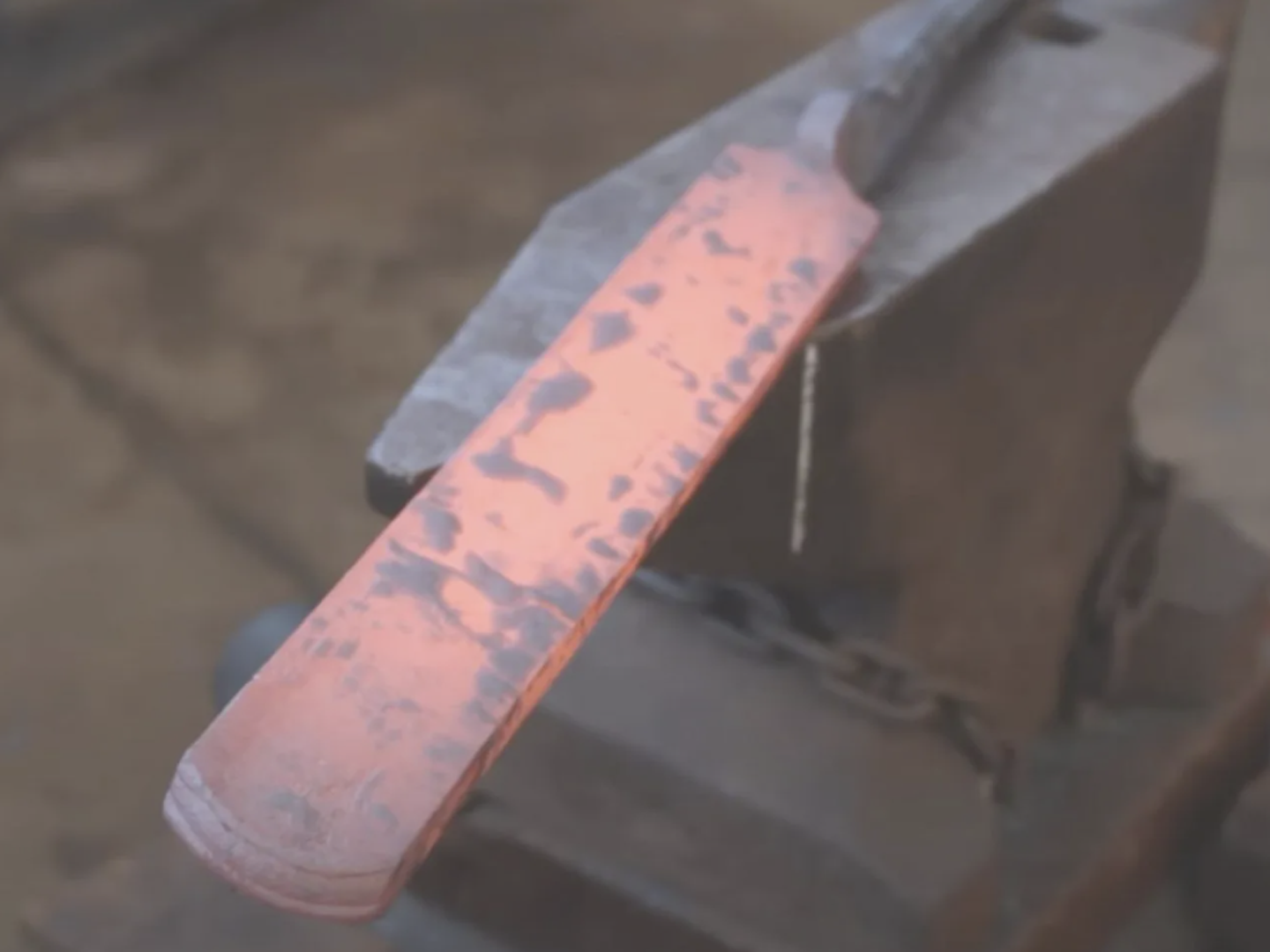
Forming and finishing
Perform any required forming procedures by hand on the grinding belt. You may, as needed: – precise form the blade – fashion the heel precisely subject to blade size – buffing – sharp the blade
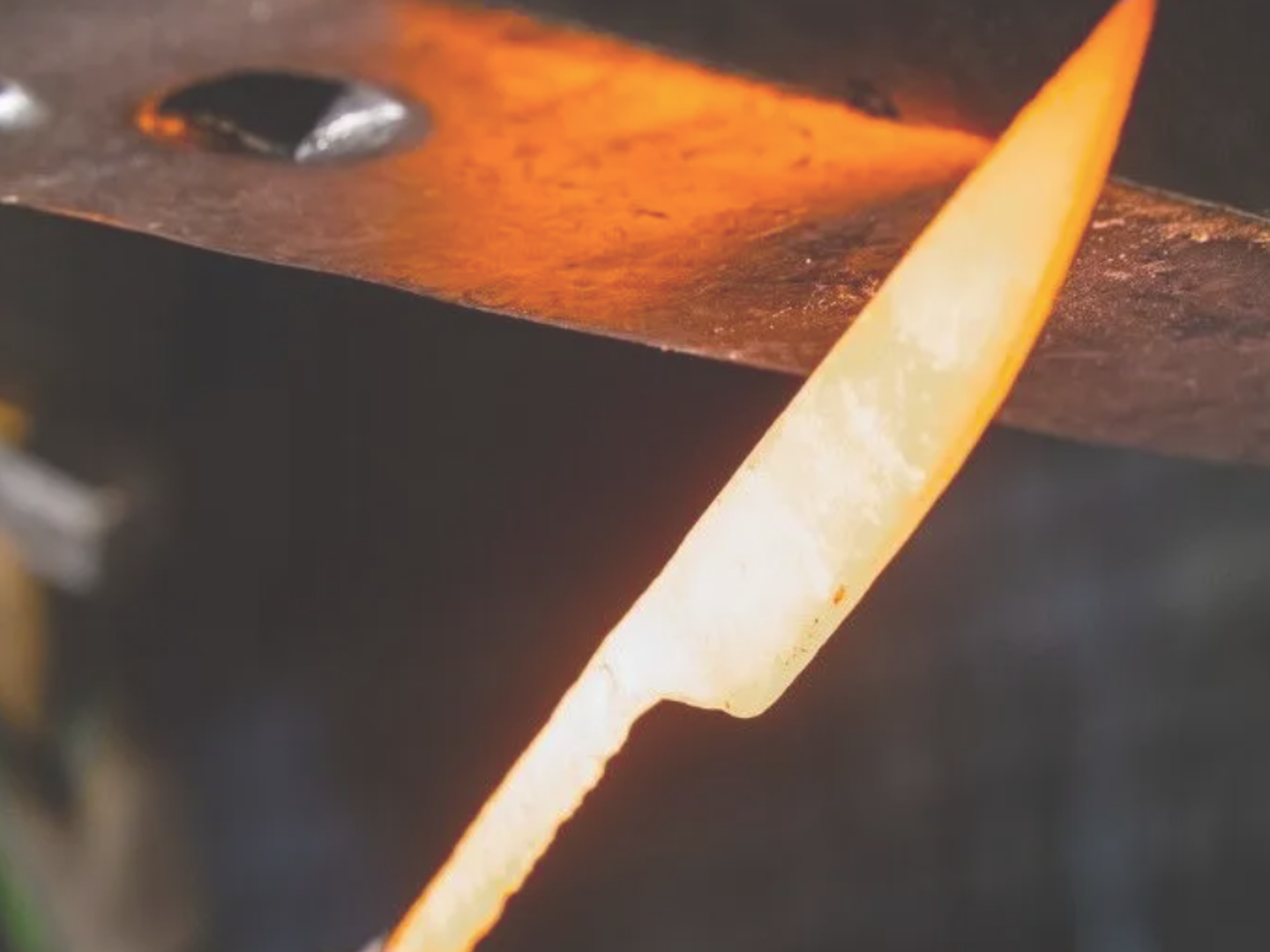
Heat treatment
After forging your Damascus you must heat-treat it. You’ll have to run three thermal cycles, heating the blade to non-magnetic and then allowing it to cool, to relieve any stresses that may remain after forging. After doing this three times, allow the blade to cool to indoor temperature. This will normalize the steel and diminish the possibility of deformation during the hardening stage.
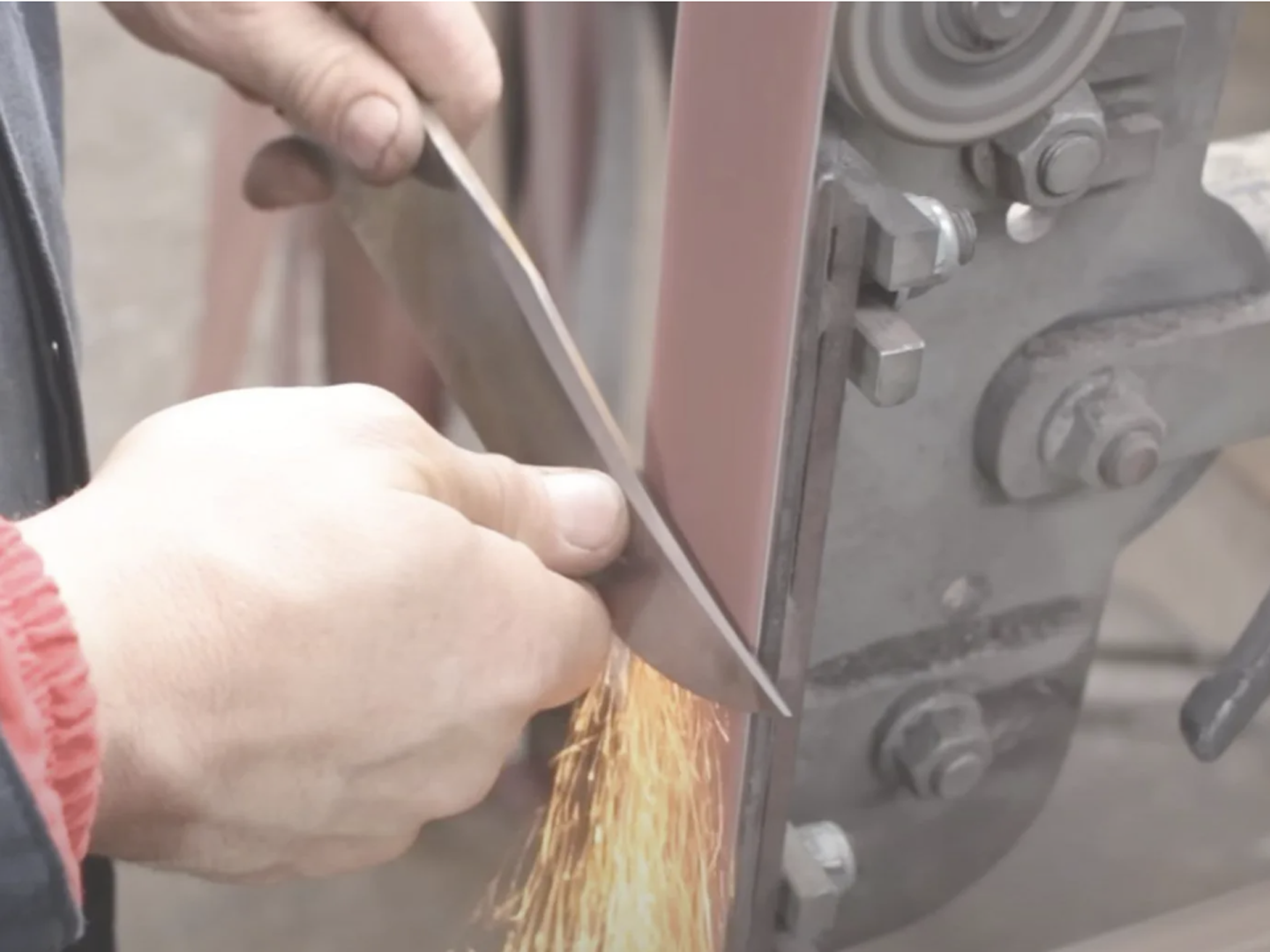
Finishing and Etching
The finishing and etching processes go hand in hand to define the final look of the blade. After the blade has been filed and ground to the required size, it must be treated by polishing, cleaning, and etching.